

𝐍𝐚𝐭𝐮𝐫𝐞’𝐬 𝐯𝐚𝐥𝐮𝐞 𝐢𝐬 𝐫𝐞𝐥𝐚𝐭𝐢𝐨𝐧𝐚𝐥, 𝐚𝐧𝐝 𝐢𝐭 𝐚𝐥𝐫𝐞𝐚𝐝𝐲 𝐬𝐢𝐭𝐬 𝐢𝐧 𝐲𝐨𝐮𝐫 𝐢𝐧𝐜𝐨𝐦𝐞 𝐬𝐭𝐚𝐭𝐞𝐦𝐞𝐧𝐭
Every year, healthy ecosystems quietly shape corporate financial performance.
They support hotel room revenue. They reduce water-treatment costs. They protect coastal assets and avoid losses. They stabilise supply, improve productivity and influence demand.
The value is already there. It is simply rarely identified.
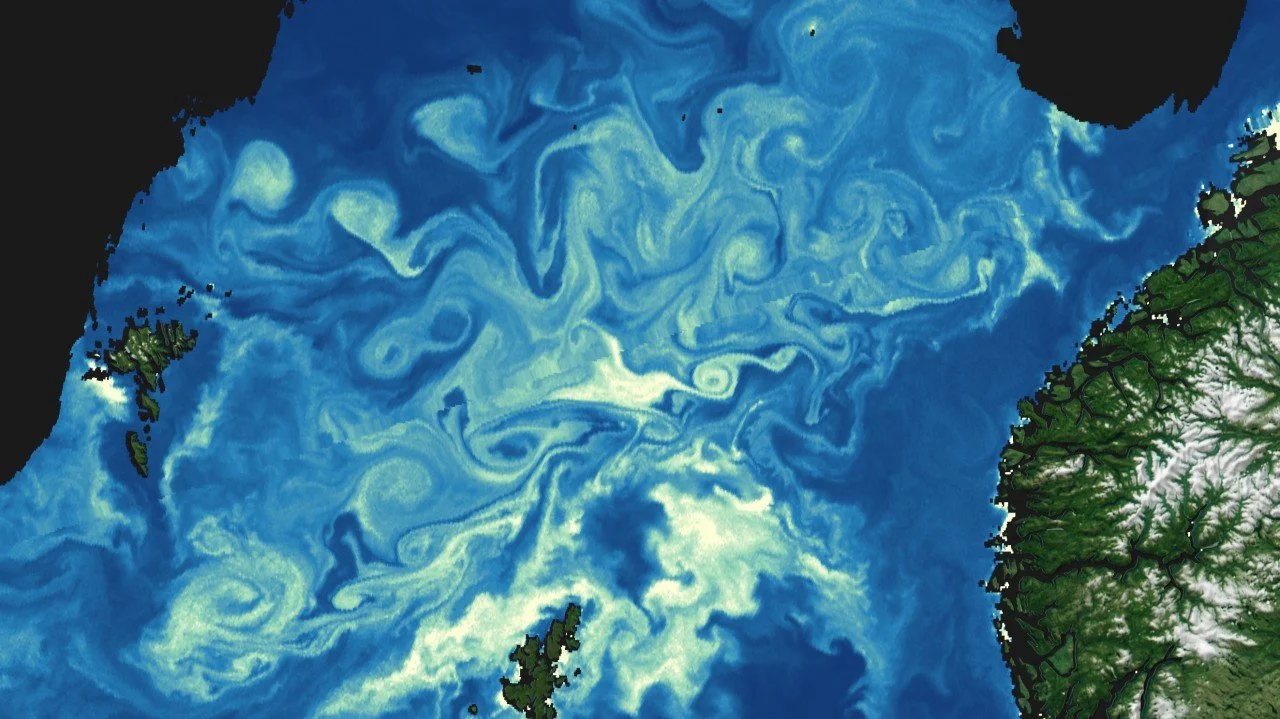
The Uncertainty Premium: Why Nature-Based Projects Need Actuarial Science
We have spent centuries learning to price things we cannot predict. It is time to apply that knowledge to nature.
(image: NASA Earth Observatory images by Wanmei Liang, using PACE data from NASA EOSDIS LANCE and GIBS/Worldview)
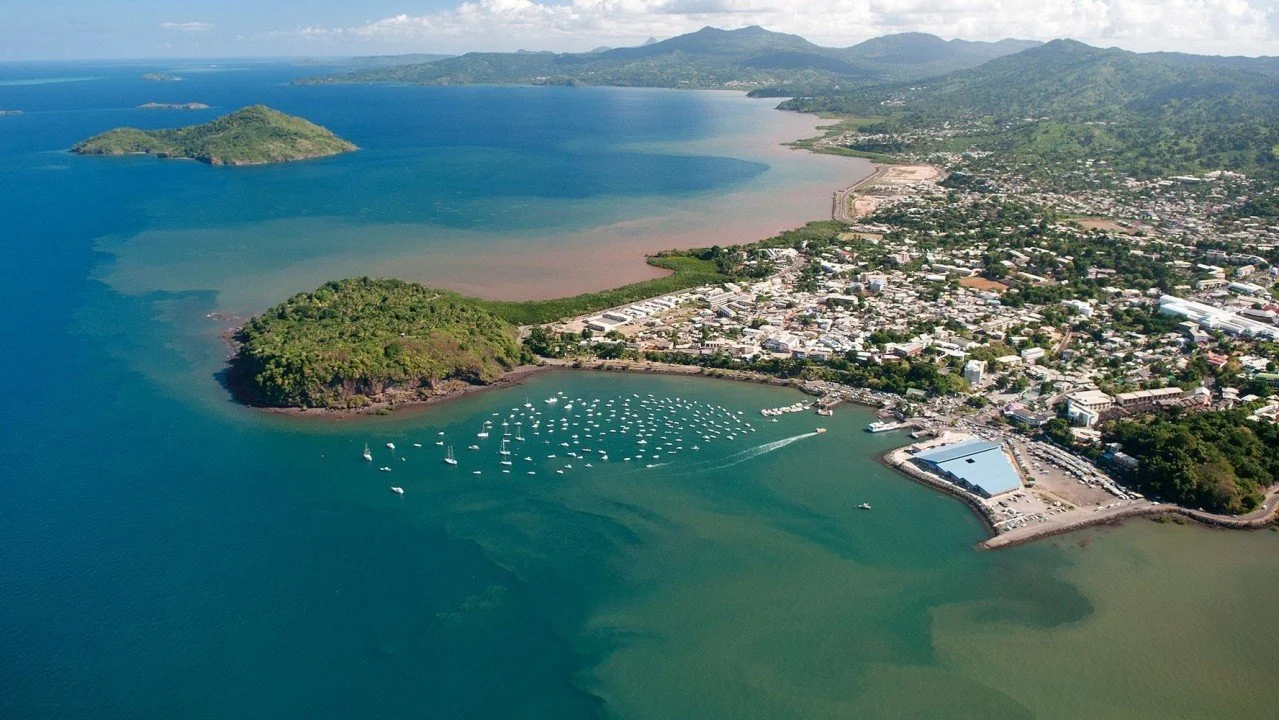
Mozambique Channel: a blueprint for financing nature restoration at scale
In most places, the organisations profiting from degradation are not the same groups bearing the biggest losses. That misalignment is why “nature is valuable” arguments often fail: the value is real, but it accrues to one set of actors while the costs land on another.
(Mamoudzou, 27 April 2021, Bebetot)
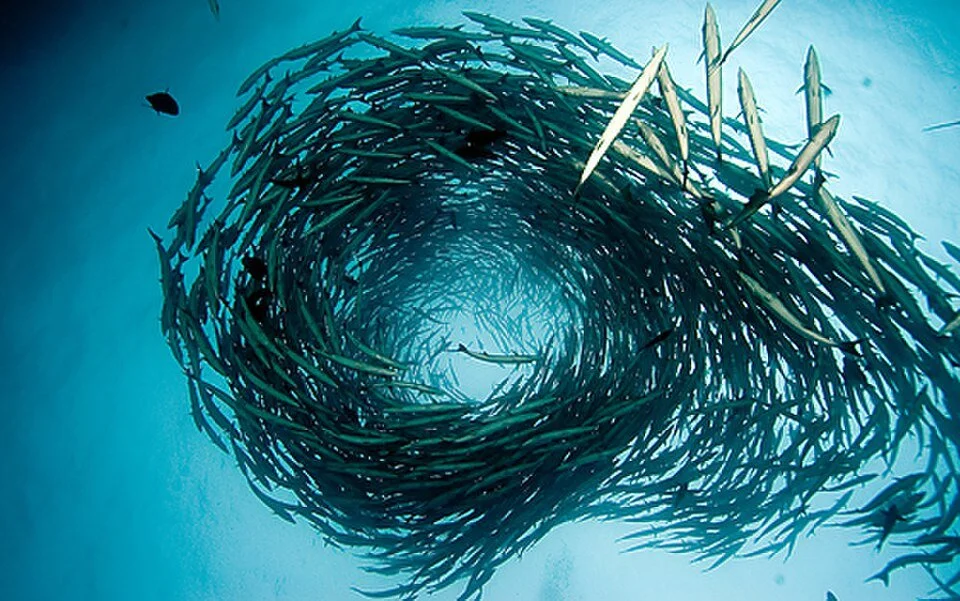
We Are Discounting the Future Out of Existence - And Calling It Finance
There is a number quietly embedded in almost every financial model for a nature-based project. Most people never question it. Yet more than almost any other variable, it determines whether restoring a mangrove forest, protecting a fish stock, or regenerating degraded land looks value-adding or uneconomic.
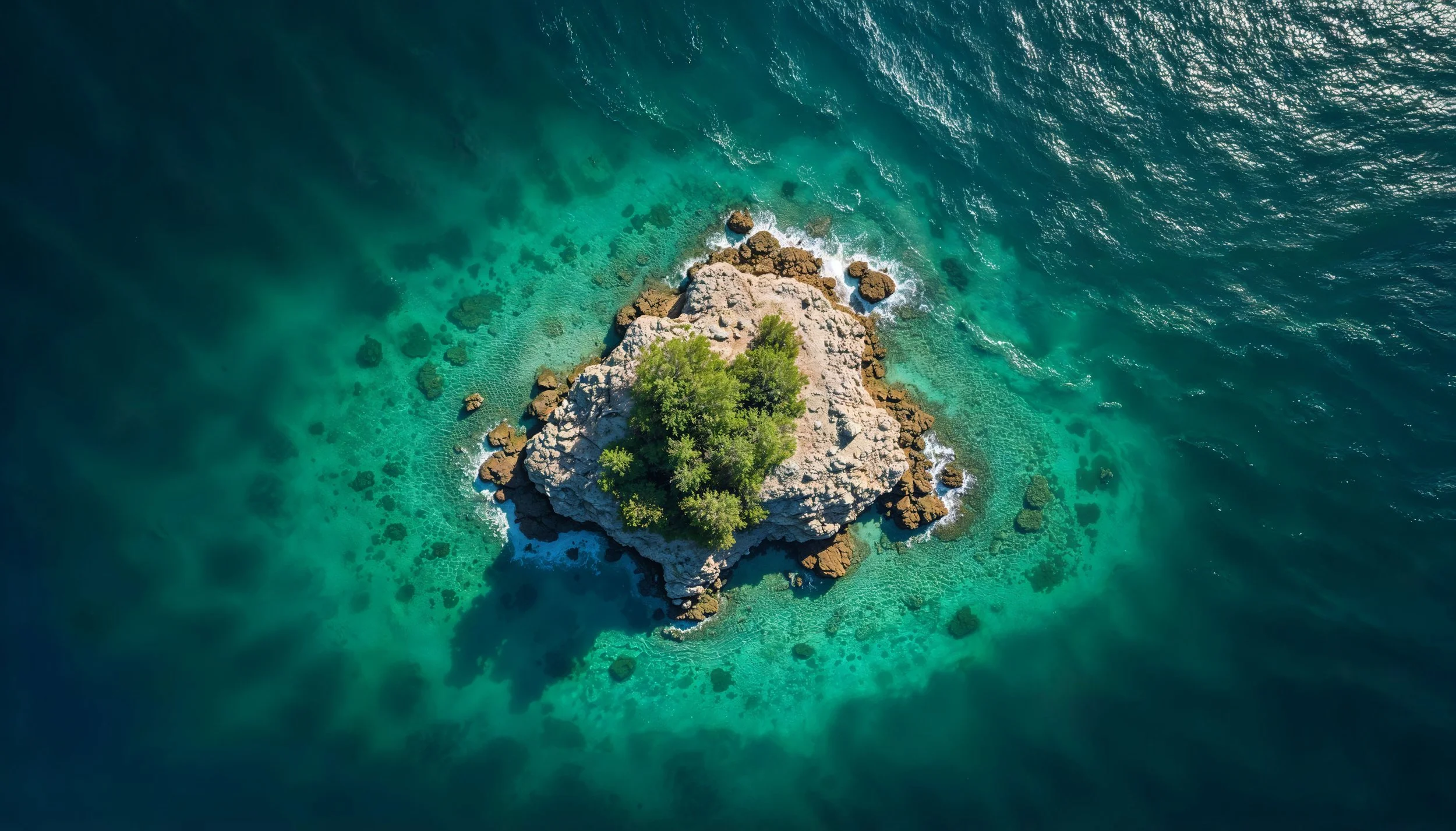
Coral Reefs, Soil, Fisheries: The Stranded Assets in Plain Sight
The implications of not valuing nature and how it is leading to nature-related stranded assets, but in a different way to the fossil fuel assets: for nature it is not inevitable.
What If Nature Had a Risk Profile? Modelling Ecosystem Health for Finance
This article walks through an illustrative model that applies familiar financial and actuarial techniques to translate ecosystem health into financial risk metrics.